
























Japanese Whisky Ultimate Guide: The Two Giants and Brands from Yamazaki, Yoichi to Chichibu and Akkeshi
⏱️ Estimated Reading Time: 6 minutes | Last Updated: 2026
In recent years, Japanese Whisky has shone brightly on the international whisky stage, winning numerous awards. It has not only captured the hearts of veteran connoisseurs but also attracted the attention of many Hong Kong whisky enthusiasts. Its delicate, balanced flavor, combined with respect for and innovation upon traditional Scotch craftsmanship, has sparked a global fever. What is the unique charm of Japanese whisky? From the household names of Suntory and Nikka to legendary closed distilleries and vibrant emerging forces, this article will take you deep into the diverse world of Japanese whisky.
📖 Table of Contents
- 1. The Dawn of Japanese Whisky: A Prologue of Imitation and Exploration
- 2. The Rise and Characteristics of Japanese Whisky
- 3. The Two Giants: The Whisky Dynasties of Nikka and Suntory
- 4. Silent Legends: Legendary Closed Japanese Whisky Distilleries
- 5. Inheritance of the New Generation: The Connection between Chichibu Distillery and Hanyu
- 6. The New Wave of Japanese Whisky: Notable Emerging Distilleries
- 7. How to Purchase Japanese Whisky
- 8. Overview of Major Japanese Whisky Distilleries
⚡ 30-Second Quick Look: 4 Major Forces of Japanese Whisky
| Group/Distillery | Core Brands | Style Keywords |
|---|---|---|
| Suntory | Yamazaki, Hakushu, Hibiki | Oriental Zen, Harmony, Mizunara Casks |
| Nikka | Yoichi, Miyagikyo, Taketsuru | Scotch Tradition, Coal Fire Distillation, Smoky |
| Chichibu | Ichiro's Malt | Emerging Craft, Experimental Aging, Artisan Spirit |
| Closed Legends | Karuizawa, Hanyu | Auction-Grade Rarities, Heavy Sherry, Card Series |

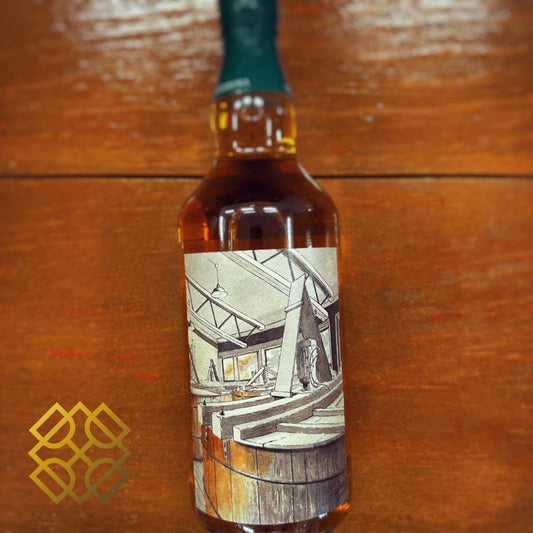
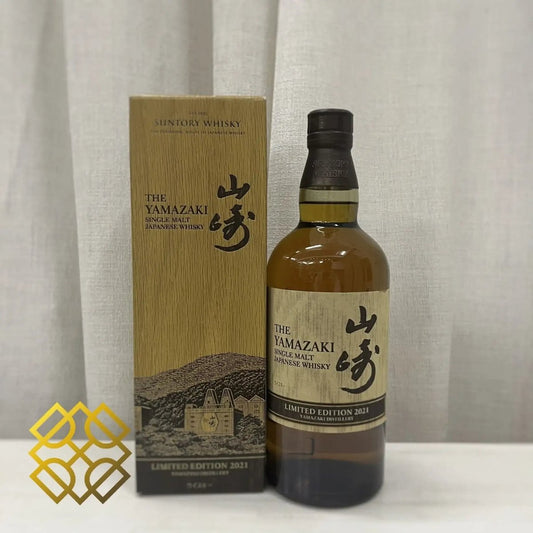
(Click image to shop classic Yamazaki Whisky)
The Dawn of Japanese Whisky: A Prologue of Imitation and Exploration
The history of Japanese whisky is often focused on the great pioneering efforts of Masataka Taketsuru and Shinjiro Torii. However, before these two giants appeared, Japan's exploration of whisky had already begun quietly. As early as the Meiji Restoration in the late 19th century, with the introduction of Western culture, whisky entered Japan as a novel imported product. At that time, the market was filled with imitations made from alcohol, spices, and dyes, and true brewing technology was still a blank slate.
🧐 Trivia: The Taketsuru Note
While studying in Scotland, Masataka Taketsuru densely recorded all knowledge regarding whisky brewing in two university notebooks, from the structure of pot stills to fermentation temperature control, even including drawings of cleaning tools. These two "Taketsuru Notes" later became the bible of the Japanese whisky industry and the key blueprint that allowed Japanese whisky to quickly catch up with Scotch standards.
Key among the figures in this exploratory period was Kiichiro Iwai of Settsu Shuzo. It was he who recognized the talent and passion of Masataka Taketsuru and recommended the young man travel to Scotland in 1918, beginning the quest for the roots of Japanese whisky. Taketsuru studied chemistry at the University of Glasgow and interned at famous distilleries such as Longmorn and Hazelburn, meticulously recording Scotch brewing techniques in the reports later known as the "Taketsuru Note."
However, by the time Taketsuru completed his studies and returned home, Settsu Shuzo was unable to support the grand plan of establishing a Japanese whisky distillery due to the economic recession. At this moment, another dreamer—Shinjiro Torii, the founder of Kotobukiya (the predecessor of Suntory)—reached out to him. Torii's goal was clear and ambitious: to create a whisky that truly belonged to Japan and suited the delicate palates of Easterners. Thus, with one being an artisan with technology and a Scotch soul and the other being a businessman with capital and market vision, their encounter officially opened the curtain on the Japanese whisky industry.
The Rise and Characteristics of Japanese Whisky
The history of Japanese whisky is relatively young, primarily founded in the early twentieth century. Masataka Taketsuru, hailed as the "Father of Japanese Whisky," traveled to Scotland to learn distillation techniques and brought them back to Japan. He first assisted Shinjiro Torii in establishing Japan's first commercial malt whisky distillery—Yamazaki—and later struck out on his own to found Nikka. The efforts of these two pioneers laid a solid foundation for the development of Japanese whisky.
Japanese whisky is deeply influenced by Scotch whisky and is similarly divided into Single Malt Whisky, Grain Whisky, and Blended Whisky. However, Japanese whisky has developed a unique style. Its characteristics include:
- Exquisite Craftsmanship and Detail: The Japanese artisan spirit is reflected in every stage of brewing, from ingredient selection, fermentation, and distillation to maturation, striving for perfection.
- Pursuit of Balance and Harmony: Compared to the boldness of some Scotch whiskies, many Japanese whiskies focus more on a delicate, elegant, and balanced mouthfeel, considered to be particularly suited to Asian palate preferences.
- Diversified Styles: While the overall impression leans towards delicacy, various Japanese distilleries create rich and diverse flavors based on different geographical environments, water sources, equipment, and brewing philosophies, ranging from light floral notes to heavy peat.
- Use of Mizunara Oak: This is a species of oak unique to Japan, giving whisky distinct sandalwood, agarwood incense, coconut, and oriental spice flavors, becoming one of the hallmark features of Japanese whisky. However, due to its porous texture, tendency to leak, and the long maturation time required to reveal its merits, it is difficult to handle and expensive.
It is these qualities that have allowed Japanese whisky to repeatedly achieve great success in international competitions, winning global respect and popularity.

Self-Sufficient Blending Art: The Core of Japanese Whisky Flavor
Beyond artisan spirit and the use of Mizunara wood, another major feature of Japanese whisky lies in its "self-sufficient" blending philosophy. In Scotland, producers of blended whisky often purchase base spirits from dozens of different distilleries to construct their ideal flavor. However, in Japan, the two giants Suntory and Nikka rarely exchange base spirits.
🧐 Trivia: Why Don't Japanese Distilleries "Exchange" Base Spirits?
Scottish blenders are accustomed to exchanging spirits to enrich their inventory, but because Japan initially only had the two giants Suntory and Nikka, and they were competitors, they never exchanged. This forced Japanese distilleries to master the "multi-functional factory" skill—producing dozens of vastly different styles of base spirits within the same distillery using various still shapes, yeasts, and casks, which is considered a world wonder.
To achieve complexity in flavor, they do the opposite, creating extreme diversity within their own distilleries. Using Suntory as an example, the Yamazaki distillery houses pot stills of various shapes and sizes; different yeast strains are used during fermentation; and a variety of oak casks, from Bourbon and Sherry to Japan's unique Mizunara casks, are utilized for maturation. This allows the Yamazaki distillery alone to produce dozens of different styles of base spirits, from light floral notes to rich fruitiness and heavy peat, functioning like a miniature version of a Scottish region.
Nikka follows suit, using the combination of the robust Yoichi and the elegant, soft Miyagikyo distilleries, coupled with unique grain whisky from Coffey continuous stills, to provide its blenders with a rich palette of "paints." This ability to complete all flavor puzzles—from light to heavy, floral to peaty—within a single group is the core secret behind why top Japanese blended whiskies like "Hibiki" and "Taketsuru" can reach such realms of harmony and balance.
Two Giants: The Japanese Whisky Dynasties of Suntory and Nikka
When it comes to Japanese whisky brands, Suntory and Nikka are two names you can't get around. Suntory, founded by Shinjiro Torii, owns the Yamazaki and Hakushu malt distilleries plus the Chita grain distillery, with flagship brands including Yamazaki, Hakushu, Hibiki, Chita, Toki, and Kakubin. Nikka, founded by Masataka Taketsuru in 1934, owns the Yoichi and Miyagikyo distilleries, with flagship brands including Yoichi, Miyagikyo, Taketsuru, Nikka From The Barrel, and the Coffey series. The biggest difference between the two comes down to style: Suntory pursues harmony and refinement, with an Oriental aroma from Mizunara casks; Nikka carries on Scottish tradition, with Yoichi's direct coal-fired distillation giving it a thick, toasted, smoky character while Miyagikyo leans soft and floral. Deciding which style you prefer before picking an age statement or cask type will serve you much better than shopping by brand name alone.
📚 Further Reading: Want the bigger picture beyond the two giants? Get to know the major whisky brands shaping the global scene.
Suntory: A Century-Old Foundation, Creators of Harmony
Founded by Shinjiro Torii, Suntory aims for "whisky suited to the Japanese palate," emphasizing harmonious, rich, and layered flavors. Suntory owns three core distilleries:
📚 Further Reading: In-Depth Analysis of Suntory Whisky: Exploring Its Legendary History and Craftsmanship
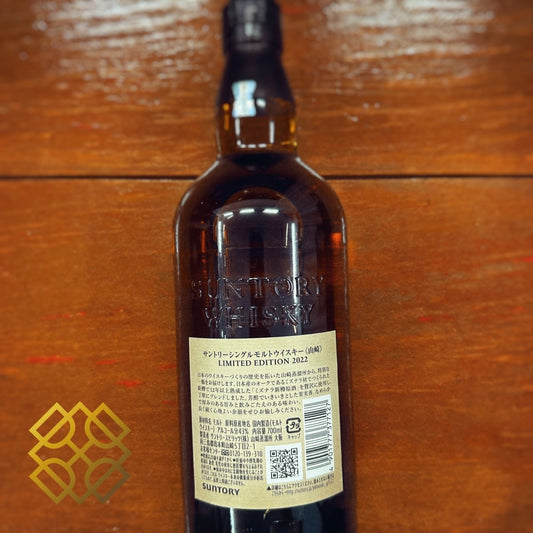
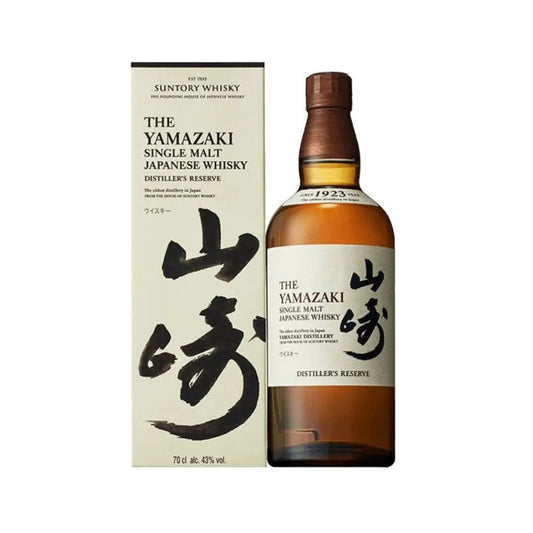
- Yamazaki Distillery: Located in the Shimamoto area outside Kyoto, it is Japan's oldest malt whisky distillery. The water here is pure and the climate is warm and humid, ideal for whisky maturation. Yamazaki whisky is famous for its complex, fruity (especially red fruits), and gorgeous style with Mizunara wood notes. Its single malt series is a favorite among collectors and tasters.
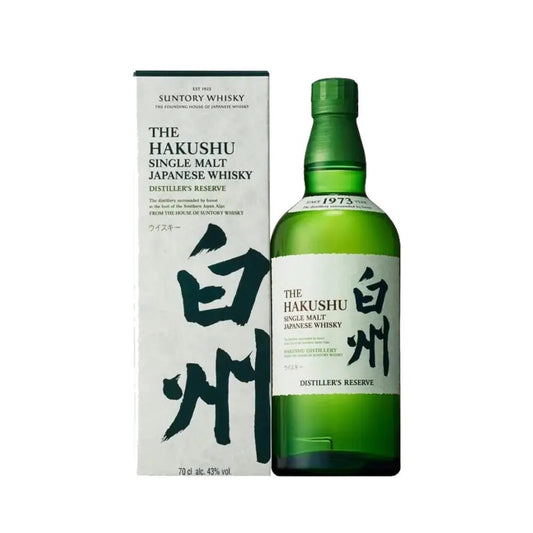
- Hakushu Distillery: Situated in the forests of Japan's Southern Alps at an altitude of about 700 meters, it is one of the few high-altitude forest distilleries in the world. The cool climate and dense forest give Hakushu whisky a fresh, unique flavor with notes of green grass, mint, and light smoke (peat). Its single malt series is known for its "forest atmosphere."
-
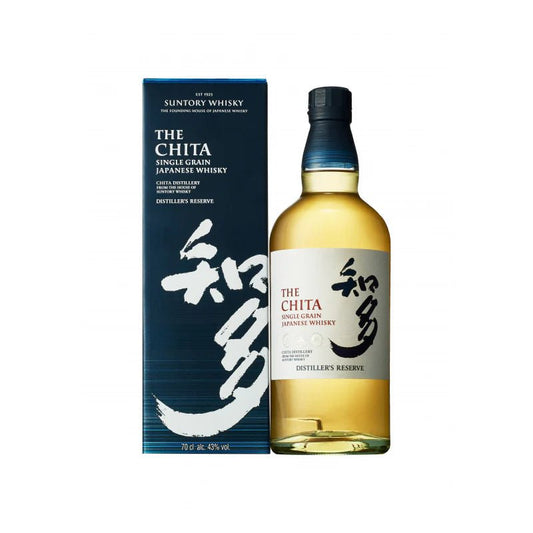
Chita Distillery: Located on the Chita Peninsula in Aichi Prefecture, it is Suntory's grain whisky distillery. It uses multiple types of continuous stills to produce high-quality, diversely flavored grain whiskies, primarily used as base spirits for blended whiskies (like "Hibiki" and "Kakubin"), but it also launched its own single grain whisky "Chita," which has a soft mouthfeel with sweet honey and tropical fruit notes.

Famous brands under Suntory include:
- Yamazaki: Flagship single malt whisky, available in various age statements and limited editions.
📚 Further Reading: In-Depth Analysis of Yamazaki Whisky: From the Classic 12-Year-Old to Rare 25-Year-Old, Tasting the Essence of Time
- Hakushu: Single malt whisky known for its fresh and lightly peated style.
- Hibiki: The pinnacle of Suntory's blending art, fusing Yamazaki, Hakushu malt whiskies, and Chita grain whisky. It is world-renowned for its ultimate harmony, elegance, and complexity. The bottle design is also beautiful, commonly featuring 24 facets representing the 24 solar terms.
📚 Further Reading: Unveiling the Mystery of Hibiki Whisky: From the 24-Facet Bottle to Mizunara Cask Maturation
- Chita: Light and smooth single grain whisky.
- Suntory Toki: A blended whisky for the international market, with a fresh and easy-drinking mouthfeel, suitable for Highballs.
- Kakubin: A highly popular national-level blended whisky in Japan, affordably priced and a classic choice for Highballs.
- Suntory Old: A long-standing blended whisky brand characterized by its black round bottle.
💡 Further Reading: Want the golden ratio, the authentic method, and which whisky to pick for a Highball? Read our complete Highball guide.

Nikka: Apprenticeship in Scotland, Pursuing Strength and Complexity
Founded by Masataka Taketsuru, Nikka was deeply influenced by his experience learning the craft in Scotland, dedicated to brewing whisky closer to traditional Scotch styles with stronger and more complex flavors. Nikka owns two core malt whisky distilleries:
- Yoichi Distillery: Located in Yoichi Town, Hokkaido, the climate is cold, similar to Scotland. Yoichi insists on using traditional coal-fired direct heat pot stills, a method with high and difficult-to-control temperatures that gives the whisky a richer, thicker character with unique toasted aromas, smoke (peat), and marine influences. Yoichi single malt is known for its power, complexity, and distinct peat flavor.
- Miyagikyo Distillery: Located in a valley in the suburbs of Sendai, Honshu, the environment is vastly different from Yoichi, being more mild and humid. Miyagikyo uses steam indirect heat pot stills, producing a more elegant and soft style of whisky filled with floral and sherry-like fruit aromas. Its single malt shows a more delicate side compared to Yoichi.
- Nikka Coffey Stills: At the Miyagikyo distillery, Nikka operates a single traditional Coffey continuous still unit made up of two columns (analyser and rectifier), imported from Scotland in 1963/1966 and moved from Nishinomiya to Miyagikyo in 1999. It produces both Coffey Grain and Coffey Malt — making malt whisky with a continuous still is relatively rare globally. Whisky produced by Coffey stills has a unique texture and rich mouthfeel, retaining more raw material flavor.
Famous brands under Nikka include:
- Yoichi: Strong, peated single malt whisky.
- Miyagikyo: Elegant, floral and fruity single malt whisky.
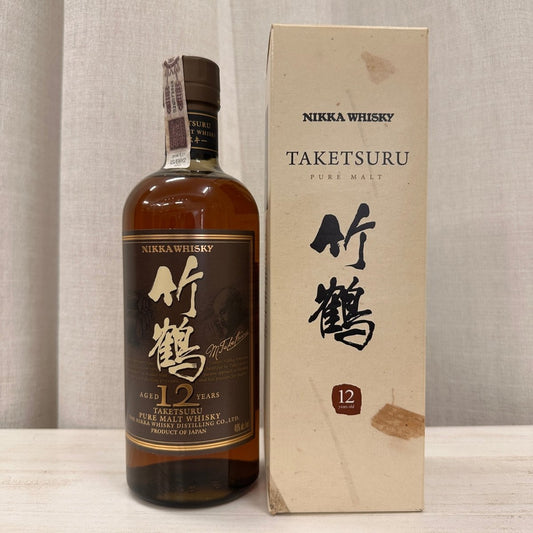
- Taketsuru Pure Malt: A blended malt whisky (Blended Malt / Pure Malt) dedicated to the founder, fusing base spirits from Yoichi and Miyagikyo to show complexity and balance.
- Nikka From The Barrel: A blended whisky (containing malt and grain) with high alcohol content (fixed at 51.4% ABV), featuring rich and strong flavor and high cost-performance, popular in bars and among enthusiasts.
- Nikka Coffey Grain / Coffey Malt: Showcasing the unique charm of Coffey stills, the former has sweet corn and vanilla notes, while the latter has rich malt sweetness and mellow fruitcake flavor.
📚 Further Reading: Cracking the Nikka Yoichi Distillery Code: Understanding Masataka Taketsuru and the Uniqueness of Yoichi Whisky

Suntory and Nikka each possess different distilleries and brewing philosophies, enabling them to independently produce diverse base spirits for their own single malt or blended whisky creations, unlike in Scotland where base spirits are often exchanged internally or externally to enrich a blended product line. This is a major feature of the Japanese whisky system.
🤔 Suntory or Nikka?
Whether you prefer the gorgeous Hibiki or the smoky Yoichi, Alcohol Please has them in stock.
Browse All Japanese Whisky In-Stock »From the Ice Age to the Golden Era: International Awards and the Global Fever Catalyst
After Suntory and Nikka laid the foundation, Japanese whisky underwent decades of domestic development. However, entering the late 1980s, with the bursting of Japan's economic bubble, sales of Japanese whisky plummeted, being viewed as an old-fashioned drink as the younger generation turned to Shochu and beer. This period, known as the "Japanese Whisky Ice Age," led to business difficulties for many small and medium-sized distilleries, eventually forcing them to close production lines; the cessation of Hanyu and Karuizawa was a epitome of this era's tragedy.
However, crisis also nurtured opportunity. Distilleries that held onto quality during that time quietly accumulated a large amount of high-quality, high-aged base spirits. Entering the 21st century, the fate of Japanese whisky took a dramatic turn. In 2001, Nikka's "Yoichi 10 Year Old Single Malt" defeated many Scotch opponents in the blind tasting selection of the authoritative "Whisky Magazine," winning the "Best of the Best" highest honor, shocking the world. Immediately following, in 2003, Suntory's "Yamazaki 12 Year Old" won a gold medal at the International Spirits Challenge (ISC).
This series of international awards, like a stone causing a thousand ripples, made global whisky enthusiasts and collectors focus their eyes on this Eastern island nation's Japanese whisky for the first time. They were surprised to find that Japan could not only brew whisky but could brew top-tier spirits capable of challenging or even surpassing traditional Scotch regions. The explosive growth in international demand, combined with inventory scarcity from previous production halts, jointly drove the price surge and global fever of Japanese whisky, creating an excellent market environment for the later rise of new generation distilleries like Chichibu.
Silent Legends: Legendary Closed Japanese Whisky Distilleries
Beyond active distilleries, the history of Japanese whisky also includes some regrettable "lost distilleries." Although they have closed, the remaining stock of whisky has become sky-priced treasures in the collection market, representing a brilliant fragment of Japanese whisky's past.

Hanyu Distillery: The Eternal Legend of the Card Series
Hanyu Distillery was located in Hanyu City, Saitama Prefecture, operated by Toa Shuzo. Its founder, the Akuto family, was originally a long-standing sake brewing lineage. Hanyu Distillery began producing malt whisky in the 1980s. The Akuto family's whisky production initially stopped in 2000, and the original site subsequently closed. Fortunately, the descendant of the founding family—Mr. Ichiro Akuto—after founding Venture Whisky, worked hard and eventually bought the Hanyu base spirit stock left by his grandfather. More importantly, the original operating company, Toa Shuzo, has rebuilt the Hanyu Distillery in recent years and restarted distillation in 2021, writing a new chapter for this legendary name.
Ichiro Akuto used these precious Hanyu spirits to create the independent bottling brand "Ichiro's Malt" and launched the highly creative "Card Series." Each label in the series corresponds to a playing card (54 in total, including Big and Small Jokers), and each is selected from different years and different types of single-cask Hanyu base spirits. The Card Series, with its unique flavor, extremely high quality, and collection value, quickly became a coveted item for whisky collectors worldwide, ensuring the name Hanyu lives forever in history. Hanyu's style is varied, ranging from fruity and spicy to peaty, showcasing its experimental spirit as a small distillery.

Karuizawa Distillery: The Pinnacle of Heavy Sherry Style
Karuizawa Distillery sat at the foot of scenic Mount Asama in Nagano Prefecture, established in 1955 and initially operated by Daikoku Budoshu (later merged into the Mercian Group). Karuizawa's goal was to brew high-quality single malt whisky, characterized by its insistence on using imported barley (including the famous Golden Promise variety) and a preference for Spanish sherry casks for maturation. Additionally, Karuizawa's pot stills were smaller, aimed at creating a richer, mellower body.
However, due to the bursting of Japan's economic bubble and the market shift towards lighter tastes, Karuizawa's domestic sales were poor, and it finally stopped production around 2000. Its distillation license was surrendered in 2011, symbolizing formal closure. Subsequently, the factory land was sold, and the distillery buildings were completely demolished in 2016, with some equipment (like stills) sold before demolition. Ironically, after its closure, international interest in Japanese whisky surged, and Karuizawa's base spirits—especially those with high age statements matured in single sherry casks—gained fame, with prices soaring to astronomical figures. Karuizawa whisky is famous for its extremely rich, complex heavy sherry style with notes of dark dried fruit, chocolate, leather, and oriental spices. Its body is strong and powerful, making it the "lost legend" in many people's hearts. Existing Karuizawa whisky is extremely rare and a regular at auctions.
The closure of Hanyu and Karuizawa was a huge loss to the Japanese whisky world, but it was the legendary bottles they left behind that inspired the subsequent Japanese whisky revival and the birth of emerging distilleries.
Inheritance of the New Generation: The Connection between Chichibu Distillery and Hanyu
After the closure of Hanyu Distillery, Mr. Ichiro Akuto did not stop at bottling the base spirits left by his grandfather. Carrying the dream of reviving the family brewing business, he established a new small distillery in Chichibu City, near Hanyu, in 2007—Chichibu Distillery, and formally began distillation in 2008.
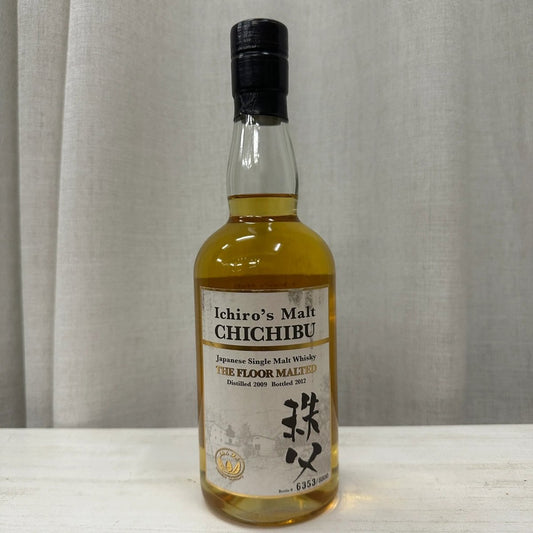
Chichibu Distillery not only inherited the spiritual legacy of Hanyu but also represents the rise of Japan's new generation of craft whisky. Ichiro Akuto personally participates in every detail of brewing, from barley selection (including trying locally grown Saitama barley and performing Floor Malting—though production is limited), fermentation vat material (partly using Japan's unique Mizunara wood vats), still design (made by Forsyths in Scotland), to cask selection (establishing a self-made coopery). All are filled with experimental spirit and an ultimate pursuit of quality.
Although Chichibu's scale is small, its operation is very flexible, daring to try different processes and cask types, including Bourbon casks, Sherry casks, various wine casks, Rum casks, Beer casks, and of course, the signature Japanese Mizunara casks. This small-batch, handmade model allows Chichibu to quickly launch diversely styled and exceptionally high-quality whiskies.

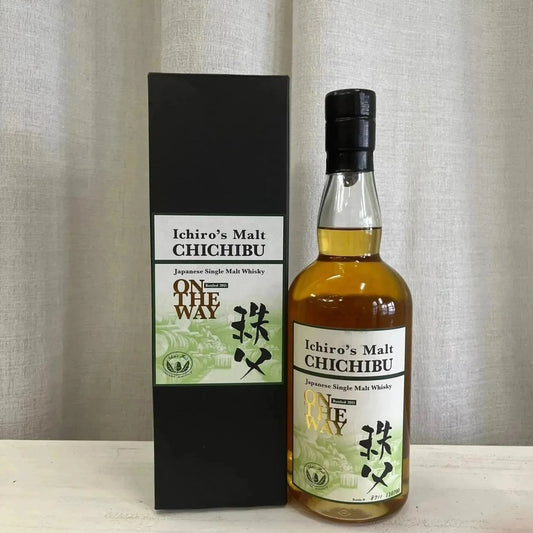
Chichibu Distillery's products are also released under the "Ichiro's Malt" brand, with common series including:
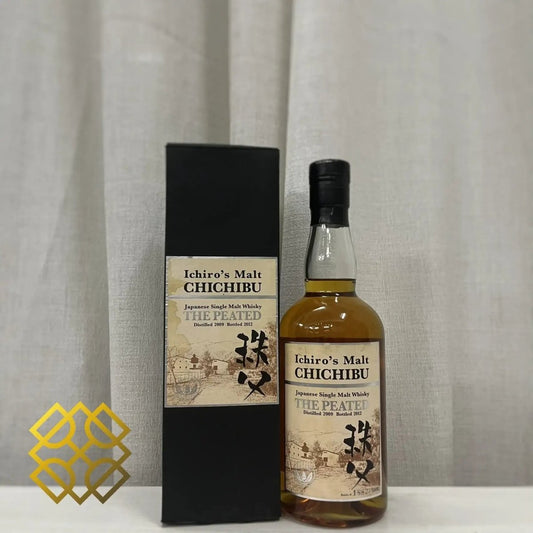
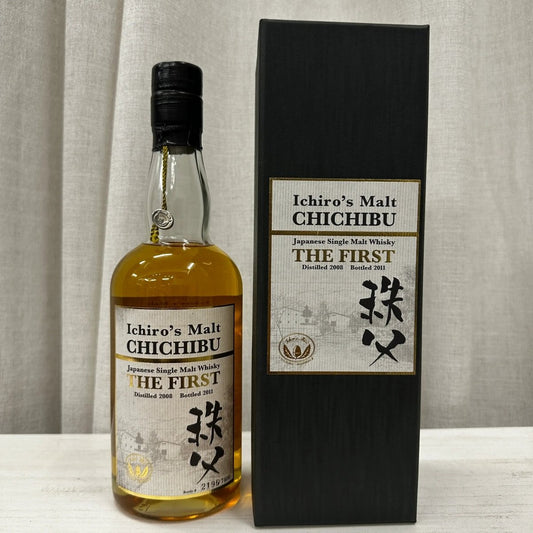
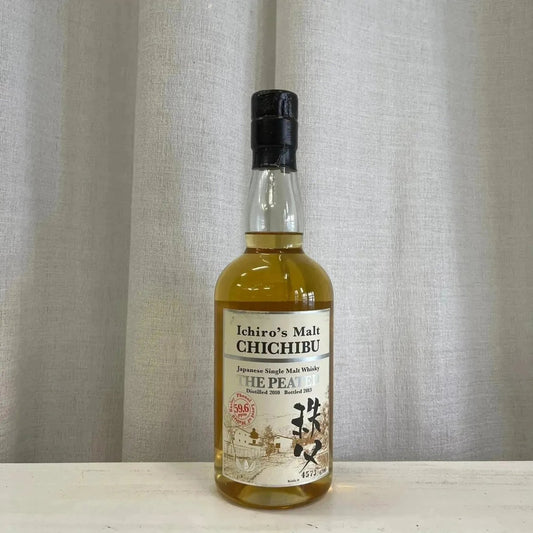
- Chichibu Single Malts: Such as The First, The Peated, On The Way, US Edition, London Edition, etc., representing milestones in different stages and style explorations of the distillery.
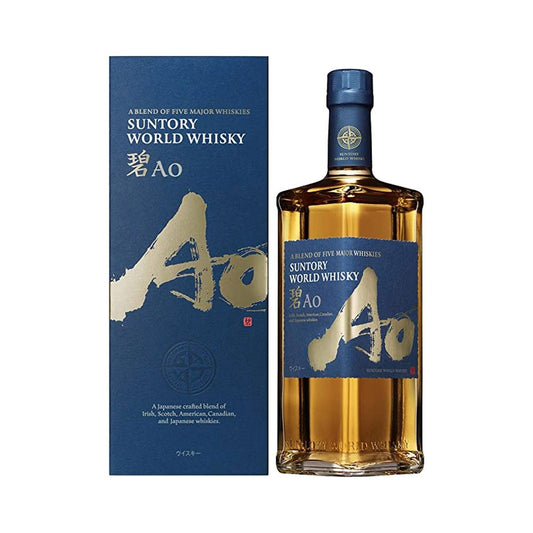
- Ichiro's Malt & Grain World Blended Whisky (White Label/Blue Label/Limited Edition): Fusing Chichibu's own malt and grain whiskies (with plans for self-produced grain whisky in the future) with base spirits from the world's major whisky regions (Scotland, Ireland, Canada, USA), showcasing Ichiro Akuto's superb blending skills.
- Ichiro's Malt Various Single Casks or Limited Editions: These are often targets for whisky enthusiasts, showcasing the diversity of Chichibu's base spirits.
The success of Chichibu Distillery lies not only in its historical connection with Hanyu and legendary aura but also in its persistence on quality and spirit of continuous innovation. It proves that even small, young distilleries can brew world-class Japanese whisky, inspiring the birth of more emerging distilleries.
The New Wave of Japanese Whisky: Notable Emerging Distilleries
Following Chichibu, Japanese whisky has welcomed an unprecedented wave of emerging distilleries. Most of these new distilleries are not large in scale but are filled with passion and creativity, dedicated to exploring more possibilities for Japanese whisky. Below are several notable emerging distilleries:
Nagahama Distillery: Japan's Smallest Whisky Brewery?
Located on the shores of Lake Biwa in Shiga Prefecture, Nagahama Distillery is affiliated with the Nagahama Roman Beer Company and began distillation in 2016. It is often called one of the smallest whisky distilleries in Japan, with an extremely small distillation room using unique Alembic stills usually used for cognac or other spirits, which are rare in the whisky world. Due to limited capacity, its own single malt whisky production is scarce.
Nagahama is better known for its "AMAHAGAN" World Malt Series. This involves blending a small amount of its own malt spirit with base spirits imported from overseas, matured and bottled in Nagahama. The AMAHAGAN series has various Wood Finish versions, such as Sherry, Mizunara, and Wine casks, offering diverse flavor choices and serving as an entry point for exploring the Nagahama style.
Akkeshi Distillery: Seeking Islay Style in Hokkaido
Akkeshi Distillery is located in Akkeshi Town in eastern Hokkaido, where the environment shares many similarities with Scotland's Islay: a cold climate, surrounding rich wetlands (a potential source of peat), proximity to the coast, and frequent sea fog. Therefore, Akkeshi's goal is clear—to brew Japanese whisky with an Islay style, featuring distinct smoky peat notes.
Akkeshi began distillation in 2016 using equipment from Scotland's Forsyths, focusing heavily on the concept of "Terroir." Not only do they plan to use locally produced barley and peat, but the maturation casks also partly use Mizunara wood from Hokkaido. Akkeshi's release strategy is unique; its main series is named after China's "24 Solar Terms," such as "Kanro," "Usui," "Boushu," "Taisho," etc. Each represents different maturation stages and flavor evolutions, available in single malt and blended versions. Akkeshi whisky is highly evaluated for its balanced peat, marine saltiness, and fruity sweetness, making it a must-try rising star for peat-loving whisky enthusiasts.

Mars Whisky (Hombo Shuzo): A Flavor Map Spanning Mountain Peaks and Coasts
Hombo Shuzo is a long-standing integrated alcohol enterprise with a whisky brewing history dating back to 1949, though there were interruptions. Today, the Mars Whisky brand operates two malt whisky distilleries with vastly different styles:
-
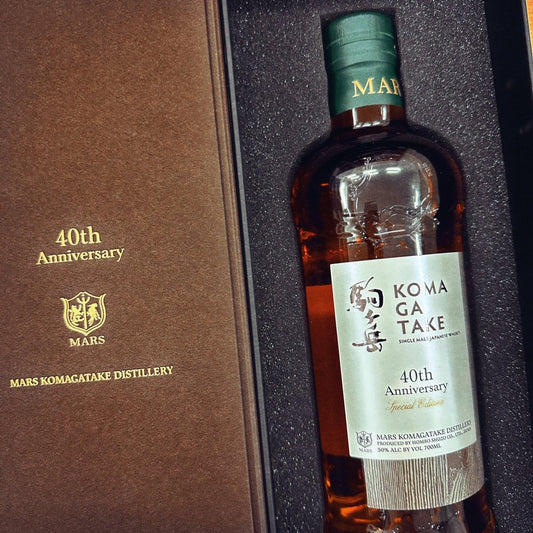
Mars Shinshu Distillery: Located at the foot of Mount Komagatake in the Central Alps of Nagano Prefecture, at an altitude of about 800 meters, it long held the record as Japan's highest operating whisky distillery, until Ikawa Distillery opened at 1,200 metres in November 2020 and took the title. The climate here is cool with large day-night temperature differences, aiding in the slow maturation of whisky. The distillery was closed between 1992 and 2011 due to low market demand and has since resumed production. Its main product is "Komagatake" single malt whisky, with styles ranging from unpeated to peated and various wood finishes, showcasing the elegance and complexity of highland whisky.

- Mars Tsunuki Distillery: Located in Minamisatsuma City on the Satsuma Peninsula of Kagoshima Prefecture, the birthplace of Hombo Shuzo, it was newly built and began distillation in 2016. The climate here is warm and humid, contrasting sharply with Shinshu, which accelerates maturation and imparts different flavors. Single malt whisky produced here is released under the "Tsunuki" brand, with a style that is relatively more mellow with warm fruit flavors, and peated versions are also available.
Beyond single malt, Mars Whisky produces blended whisky brands like "Iwai Tradition" and "Cosmo," the latter of which blends Shinshu spirits with imported Scotch base spirits. Owning two distilleries with such different locations and climates allows Mars Whisky to create richer and more diverse flavor combinations.
Shizuoka Distillery: Fusion of Inheritance and Innovation
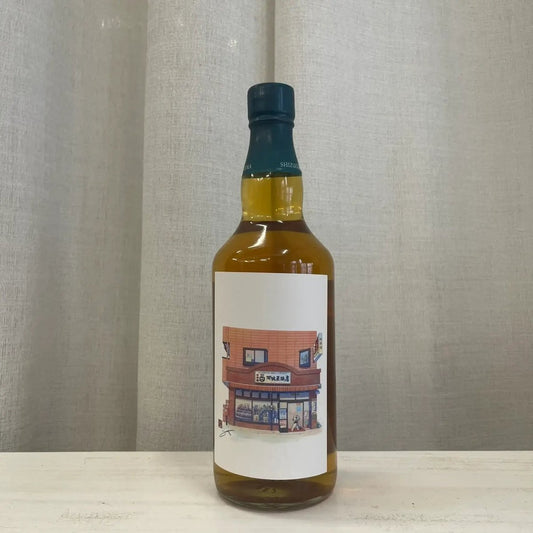
Shizuoka Distillery was established by the Gaia Flow company in 2016 in the Tamagawa area of Shizuoka City. One of its greatest features is its distillation equipment: it has two different types of wash stills and one spirit still. One of the wash stills is a legendary still (designated K) purchased and restored from the closed Karuizawa Distillery, while the other is a Scottish-made and globally rare "wood-fired" still (designated W).
This unique equipment combination allows Shizuoka to produce base spirits with markedly different styles. Furthermore, Shizuoka actively uses locally produced Shizuoka barley and Japanese Cedar (Sugi) fermentation vats, emphasizing local character. Its early single malt whiskies were named "Prologue K" and "Prologue W," representing style explorations from the two different still systems, the former being rounder and the latter more powerful. With its respect for history and innovative brewing methods, Shizuoka has become a highly anticipated emerging force.
Saburomaru Distillery: The Innovation Path of a Century-Old Factory
Saburomaru Distillery is located in Tonami City, Toyama Prefecture, belonging to Wakatsuru Shuzo, a century-old sake and Shochu producer. Saburomaru obtained a whisky production license in 1952 and performed small-scale production, but for a long time, its whisky was mainly supplied to its own blended brand "Sun Shine Whisky."
In recent years, Saburomaru underwent large-scale renovation and modernization (completed in 2017). Particularly striking is their development of a cast bronze pot still named "ZEMON" in collaboration with a local foundry company. This is claimed to be the world's first whisky still manufactured using this innovative material and a one-piece molding process, with heat conduction and internal reaction characteristics that may bring unique flavors to the spirit. Saburomaru also produces heavy peated style whisky and has begun releasing single malt whiskies named "Saburomaru." As a long-standing yet innovative distillery, its future development is worth watching.
In addition to the above, more emerging craft whisky distilleries are surfacing across Japan, such as Niigata Beer Kameda Distillery, Yusa, Sakurao, Kanosuke, Nukada, etc., jointly composing a new chapter for Japanese whisky.

How to Purchase Japanese Whisky
Japanese whisky prices span an enormous range, so it helps to sort bottles into four tiers first and set a budget accordingly, rather than comparing prices bottle by bottle. The first tier is nationally popular blends — Kakubin, Suntory Toki, and Nikka From The Barrel — priced for everyday Highballs and meals. The second tier is NAS single malts, such as Yamazaki Distiller's Reserve, Hakushu Distiller's Reserve, and the NAS Yoichi Single Malt, a clear step up in price but still affordable enough to keep on hand regularly. The third tier is age-stated core expressions — Yamazaki 12, Hakushu 12, Taketsuru, and Hibiki 21 — which have kept climbing in price and grown less reliably available as aged stock tightens. The fourth tier is spirit from closed distilleries and limited editions — Karuizawa, the Hanyu Card Series, and Chichibu single casks — which circulate mainly through auctions and the secondary market and sit on an entirely different price scale from the first three tiers. For the latest arrivals and actual prices, check what's shown live on the product page.
Shopping Advice:
-
Understand Your Style Preference: Do you like fruity and floral, elegant and delicate types? Or styles with a fresh or peaty smoky character? Or something strong, complex, and distinct? Understanding your own taste preference is the first step to buying Japanese whisky.
-
Recognize Brands and Distilleries: Different brands and distilleries have representative styles. Suntory generally leans towards harmony and refinement, Nikka's styles are more diverse, Chichibu represents craft innovation, and emerging distilleries each have their own characteristics and experimental nature.
-
Age Statement vs. No Age Statement (NAS): Due to tight base spirit inventory, high-aged Japanese whiskies have become very rare and expensive in recent years. No Age Statement (NAS) whiskies have become the market mainstream, blended by blenders from spirits of different maturities to showcase a specific style rather than a single year. Some models or brands offer excellent quality, such as Hibiki and Taketsuru. There is no need to be obsessed with age statements; many NAS whiskies are cost-effective and have excellent flavors.
-
Pay Attention to Price: The price range for Japanese whisky is wide, from hundreds of Hong Kong dollars for mass-market blended whiskies to tens or even hundreds of thousands for rare single casks or old legendary items. Set your budget and search for highly-rated whiskies that fit your taste within that range.
-
Identify True "Japanese Whisky": In the past, products labeled as "Japanese Style Whisky" or vaguely labeled appeared on the market, which were bottled in Japan but contained spirits primarily or entirely from other countries. Pay attention to the label information. JSLMA standards have been implemented since 2021 (April 1), with 2024 being the end of the transition period. From 2025, a new LOGO and strengthened certification measures will be introduced, requiring that saccharification, fermentation, and distillation must occur within Japan, using casks no larger than 700 liters matured in Japan for at least three years, and bottled in Japan. Choosing products that fit this definition ensures they are authentic Japanese whisky.
- Purchase Channels: In Hong Kong, you can find Japanese whisky in large chain liquor stores, specialist whisky shops like Alcohol Please, department store supermarkets, and reputable online stores. Attending tastings or consulting professionals in shops are also good ways to explore.

Japanese Whisky Recommendations: From Everyday Highballs to Collector's Bottles
When it comes to Japanese whisky recommendations, name recognition alone isn't the best guide — working out the drinking occasion first and matching a bottle to it gets better results. For everyday meals and Highballs: Kakubin and Suntory Toki are clean in flavour and easy on the budget, with citrus and malty sweetness that come through clearly once soda is added, making them the go-to izakaya combination; for something a touch smoother, Chita single grain is a good alternative. For an entry-level single malt: Yamazaki Distiller's Reserve leans into berry and red-wine-cask notes, while Hakushu Distiller's Reserve offers a fresher character of grass and mint — both work well neat or with a splash of water. For a bolder style: Yoichi Single Malt gets its roasted, smoky character and maritime notes from direct coal-fired distillation, while Nikka From The Barrel is bottled at 51.4% ABV, giving it high intensity and plenty of layers. For gifting and collecting: Hibiki Japanese Harmony has broad appeal in both bottle and flavour, Taketsuru Pure Malt shows clear layering, and if you're after rarity, look to Chichibu's Ichiro's Malt single casks and limited editions. Actual availability and pricing follow what's shown live on the product page.
Frequently Asked Questions
Which Japanese whiskies are good for beginners?
The best starting point depends on the occasion: for Highballs or meals, go with Kakubin or Suntory Toki; to get to know single malts, try Yamazaki or Hakushu Distiller's Reserve; if you prefer something bolder and richer, Yoichi Single Malt or Nikka From The Barrel are good picks. Deciding on the occasion first, then the age and cask type, is more practical than chasing high age statements straight away.
How wide is the price range for Japanese whisky?
Roughly four tiers: nationally popular blends (Kakubin, Toki) are the most affordable; no-age-statement single malts (Yamazaki and Hakushu Distiller's Reserve) sit a level up; core age-statement expressions (Yamazaki 12, Hibiki 21) keep climbing due to the shortage of well-aged stock; and spirit from closed distilleries (Karuizawa, the Hanyu playing-card series) circulates mainly through auctions, on an entirely different price scale from regular releases. Actual selling prices follow what's shown live on the product page.
Besides whisky, what other Japanese spirits are worth knowing?
Japan's drinks category is broader than whisky alone: on the distilled-spirits side there's shochu (distilled from rice, barley, or sweet potato), plus Japanese gin, which has drawn growing attention in recent years, with some expressions built around botanicals like yuzu and sansho pepper; widen the scope to Japanese alcohol as a whole and you also have sake and umeshu. That said, Japanese whisky remains the most internationally recognised and the most sought-after by collectors — Yamazaki, Hakushu, Hibiki, Yoichi, and Taketsuru are the names most often asked about, and also the most consistently available in the Hong Kong market.
How to Read Japanese Whisky Rankings: Awards, Scarcity, and Drinkability
Japanese whisky rankings vary a great deal from one list to another, so it's more useful to understand the three dimensions behind them than to memorise any single ranking. The first is international awards: as mentioned above in "From the Ice Age to the Golden Era," the two international awards won by Yoichi in 2001 and Yamazaki in 2003 were the starting point of Japanese whisky's global boom, and Hibiki 21 has since repeatedly taken top honours at the ISC and World Whiskies Awards (WWA). The second is scarcity: spirit from closed distilleries such as Karuizawa and Hanyu has long topped the price charts at auction, but that reflects collector value rather than everyday drinkability. The third is drinkability relative to price: bottles like Kakubin, Nikka From The Barrel, and Chita rarely appear on "best of" lists, yet they're the ones actually being opened most often. If you love delicate fruitiness, Yamazaki is a good place to start; if you love peat smoke, look at Yoichi or Akkeshi; if you're after experimental flavours, look at Chichibu. Rankings ultimately come down to personal taste, and tasting for yourself is more reliable than copying a list.
Japanese whisky spans from classic distilleries such as Yamazaki and Hakushu to new forces like Chichibu and Akkeshi, with styles crossing decades of heritage and contemporary innovation. If you want a deeper understanding of different whisky styles, welcome to our website! For more information on whisky, you can also refer to Wikipedia for more data.
Ready to Experience Japanese Artisan Spirit?
Alcohol Please gathers Japan's most comprehensive collection of whisky treasures, available in stock now.
Browse All Japanese Whisky »Overview of Major Japanese Whisky Distilleries
| Distillery Name | Main Brands/Products | Style/Characteristics | Status | Parent Group/Company |
|---|---|---|---|---|
| Yamazaki | Yamazaki Single Malt | Complex fruitiness, Mizunara flavor, gorgeous, mellow | Operating | Suntory |
| Hakushu | Hakushu Single Malt | Fresh, grass, mint, lightly peated, forest atmosphere | Operating | Suntory |
| Chita | Chita Single Grain, Base for Hibiki/Kakubin, etc. | Soft, sweet, cereal, diverse grain spirits | Operating | Suntory |
| Yoichi | Yoichi Single Malt | Powerful, smoky peat, direct coal fire, marine character | Operating | Nikka |
| Miyagikyo | Miyagikyo Single Malt, Nikka Coffey products | Elegant, floral/fruity, soft, sherry-like | Operating | Nikka |
| Hanyu | Ichiro's Malt Card Series (Original Spirit) | Varied, fruity, spicy, peaty, extremely high collection value | Operating (Reopened in 2021 after original plant closure) | (Former) Toa Shuzo |
| Karuizawa | Karuizawa Single Malt (Original Spirit) | Heavy sherry, rich and complex, powerful, legendary | Closed (Production stopped c.2000) | (Former) Mercian |
| Chichibu | Ichiro's Malt Chichibu series, Malt & Grain | Craft, experimental, diverse styles, Mizunara vats | Operating | Venture Whisky Ltd. |
| Nagahama | AMAHAGAN World Malt, Nagahama Single Malt (Rare) | Small distillery, Alembic pot stills | Operating | Nagahama Roman Beer |
| Akkeshi | Akkeshi Single Malt/Blended (24 Solar Terms) | Islay style, peat, marine saltiness, terroir concept | Operating | Akkeshi Distillery Co., Ltd. |
| Shinshu (Mars Shinshu) | Komagatake Single Malt, Iwai, Cosmo | Highland style, elegant, varied (peat/non-peat/finishes) | Operating | Hombo Shuzo (Mars Whisky) |
| Tsunuki (Mars Tsunuki) | Tsunuki Single Malt | Warm climate maturation, mellow fruitiness, peat options | Operating | Hombo Shuzo (Mars Whisky) |
| Shizuoka | Shizuoka Single Malt (e.g., Prologue K/W) | Inherited Karuizawa Still K, wood-fired direct distillation Still W | Operating | Gaia Flow Distilling |
| Saburomaru | Saburomaru Single Malt, Sun Shine Whisky (Blended) | Innovative ZEMON cast bronze still, heavy peat style | Operating | Wakatsuru Shuzo |
(Mobile users please slide right to view full table)