Cognac Collections & Brands
-

大香檳區 (Grande Champagne)干邑以其卓越的品質和複雜性著稱。 它專門由種植在大香檳 (Grande Champagne)產區的葡萄蒸餾而成,該產區因其白堊土壤而聞名,為葡萄賦予獨特的花香和礦物特徵。 其生產過程包括在銅壺蒸餾中進行雙重蒸餾,增強了酒精的精煉度和香氣的豐富性。在法國橡木桶中陳釀進一步豐富了大香檳區干邑 (Grande Champagne Cognac),帶來了細膩的花香、微妙的果味和精緻的收尾口感。 在Alcohol Please,您可以探索一系列精選的大香檳區干邑...
-

小香檳區干邑 (Petite Champagne Cognac)在干邑產區因其獨特的特質和生產方法而脫穎而出。 這種干邑完全由生長在小香檳區 (Petite Champagne)產區的葡萄蒸餾而成,其特點是富含石灰石和粘土的土壤。這些地質特徵賦予了葡萄獨特的礦物質氣息和精緻的優雅風味。 與其他乾邑產區如大香檳區 (Grande Champagne)相比,小香檳區干邑 (Petite Champagne...


-
Courvoisier, VSOP, 40%, 27ml
Regular price HK$80Regular price -
Comte de Boisdauphin 50YO, Trés Vieux Cognac, 40% (Cash/Credit Card Price)
Regular price HK$2,050Regular price -
Louis de Salignac - 1920, Mise en Bouteilles faite par L’acheteur (Cash/Credit Card Price)
Regular price HK$4,880Regular price -
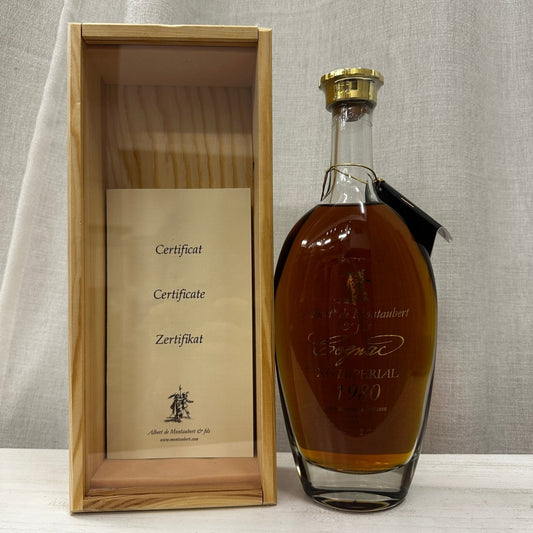
Albert de Montaubert & fils - 1980/2023, XO Imperial, 45% (Cash/Credit Card Price)
Regular price HK$2,050Regular price -

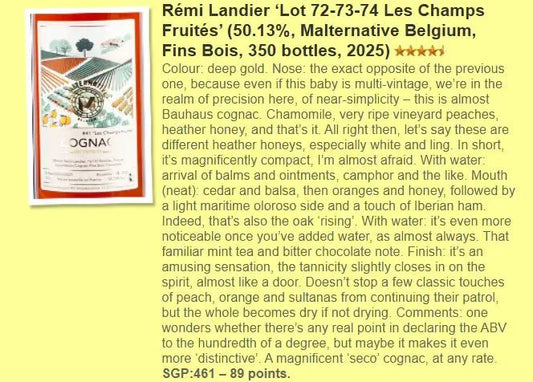
Malternative Belgium Remi Landier - 2025, Lot 72/73/74, #41 - Ma "Les Champs Fruités", 50.13% (WF89)
Regular price HK$2,280Regular price -
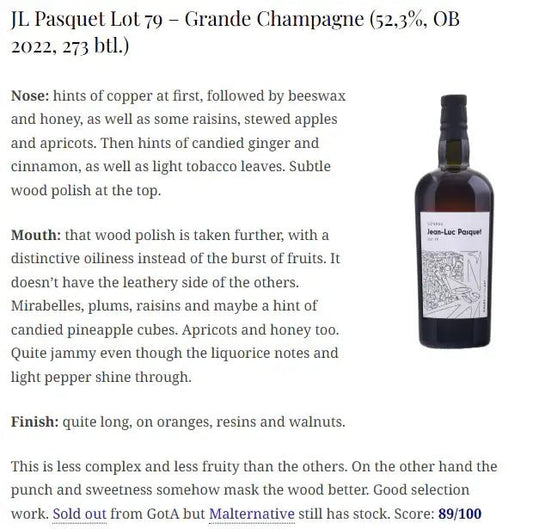
Jean-Luc Pasquet 41YO, 2022, Lot79, Grape of the Art, 52.3% (WN89) (Cash/Credit Card Price)
Regular price HK$2,880Regular price -
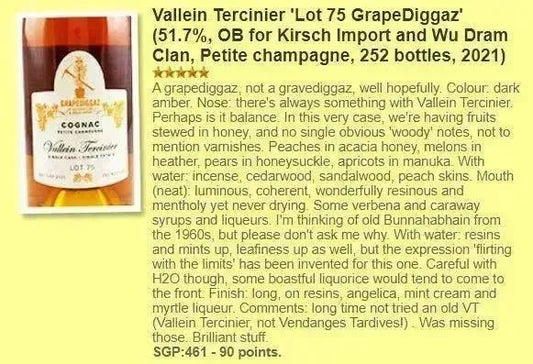
Wu Dram Clan Vallein Tercinier - 46YO, 1975/2021, Lot 75 Grapediggaz, Cognac, 51.7% (WF90)
Regular price HK$2,360Regular price -
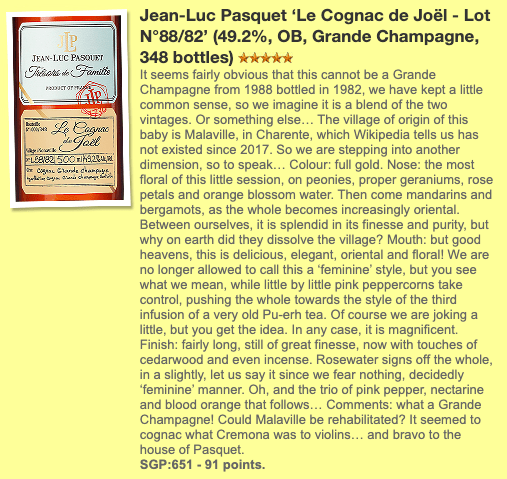
Jean-Luc Pasquet Le Cognac de Joël, Lot N°88/82, 49.2%, 500ml (WF91)
Regular price HK$1,280Regular price -
 Sold out
Courvoisier, X.O., 40%, 50ml
Regular price HK$150Regular price -
Grosperrin No.90 Bois ordinaires, ile d'oleron, 1990/2020, 46.2%
Regular price HK$1,280Regular price -
Grosperrin No.68 Heritage Fins Bois, 1968/2021, 56.4% (Cash/Credit Card Price)
Regular price HK$2,680Regular price -
Vallein Tercinier Bon Bois, Lot 86, #0155, 1986/2025, 48.7%
Regular price HK$1,250Regular price -
Mauxion Cognac 1928/2025, Lot 28, Bottled for Abyss, Fins Bois, 47.8%
Regular price HK$3,980Regular price -
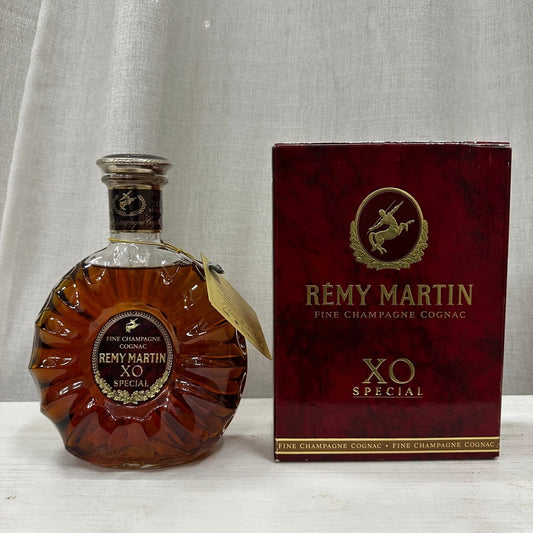
Rémy Martin XO Special, Late 80s - Early 90s version, 40% (Cash/Credit Card Price)
Regular price HK$1,740Regular price -
Martell Cordon Bleu, 1990-2010 version, 40%
Regular price HK$1,480Regular price -
Vallein Tercinier - Lot 86, 1986/2025, #0155, 48.7%
Regular price HK$1,200Regular price -
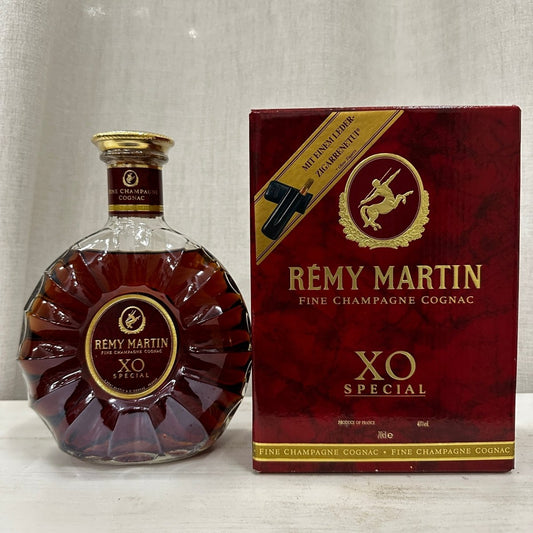
Rémy Martin XO Special, 90s - 00s version, With Cigar Case, 40%
Regular price HK$1,400Regular price -
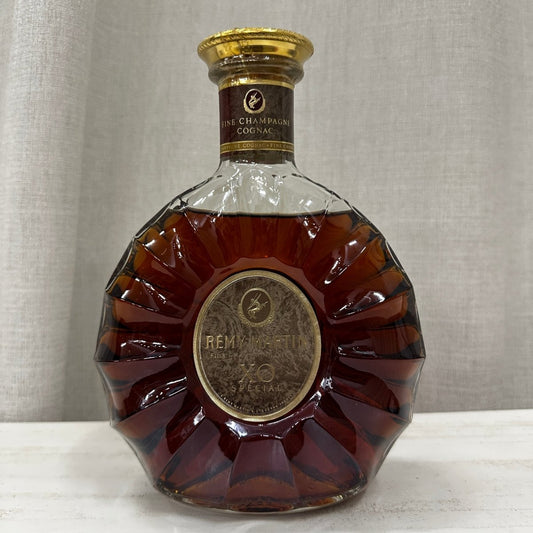
Rémy Martin XO Special, 90s - 00s version, 40%
Regular price HK$1,350Regular price -

 Sold out
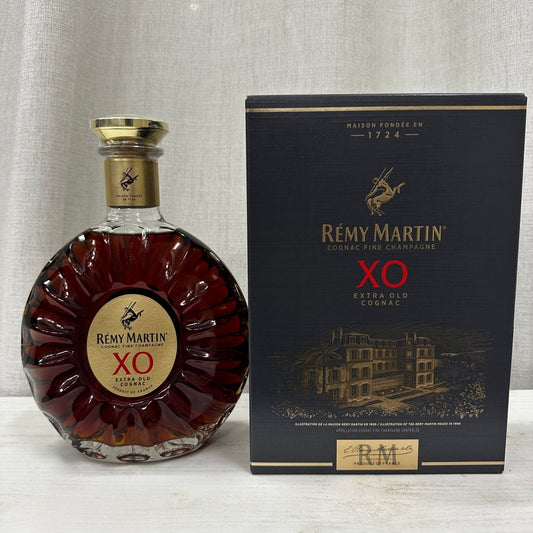
Rémy Martin XO, 40%, 1000ml
Regular price HK$1,450Regular priceHK$1,880Sale price HK$1,450Sold out -
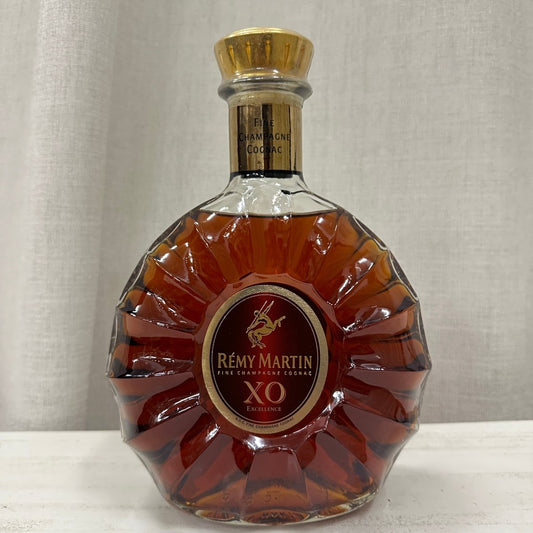
Rémy Martin XO Excellence, 2006-2015 version, 40%
Regular price HK$1,250Regular price -
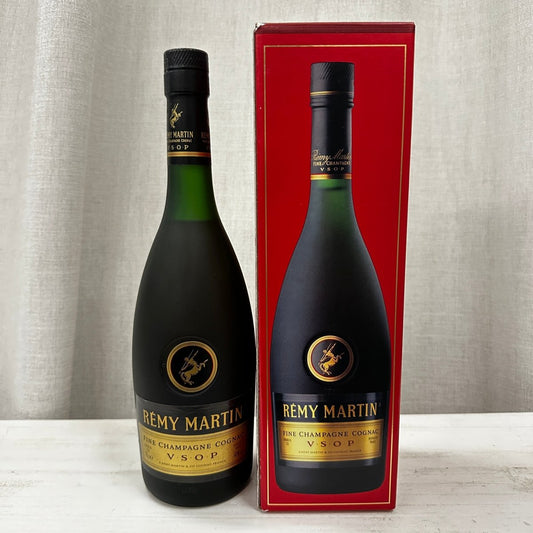
Rémy Martin V.S.O.P., 1995-2005 version, 40%
Regular price HK$700Regular price -
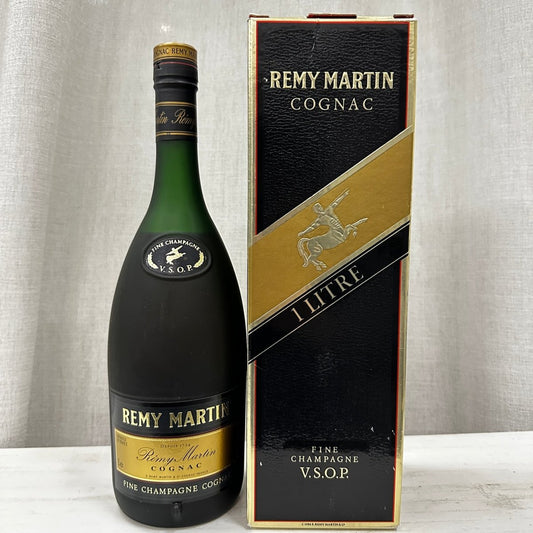
Rémy Martin V.S.O.P., 1980s version, 40%, 1000ml
Regular price HK$880Regular price -
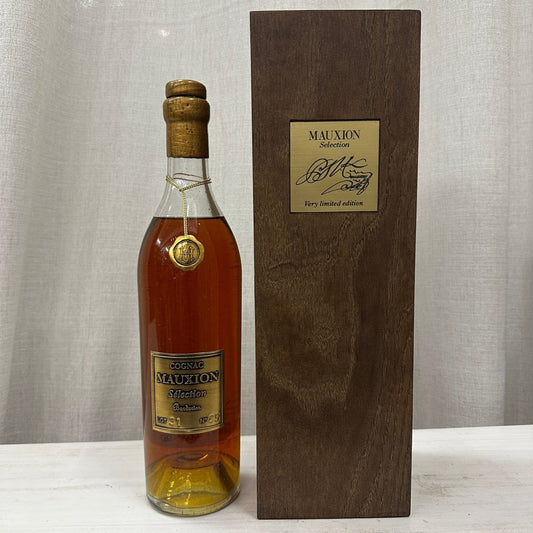
Mauxion Borderies 80YO+, Lot31, 1931/2021, Cognac, 43.5% (Cash/Credit Card Price)
Regular price HK$5,080Regular price -
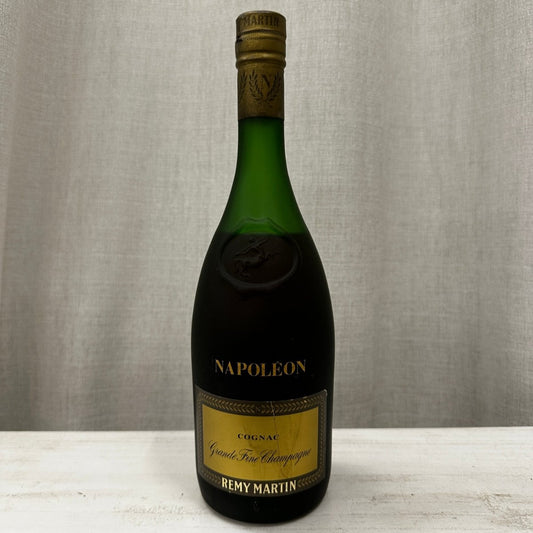
Rémy Martin Napoleon, Early 1970s version, 40%
Regular price HK$900Regular price -

 Sold out
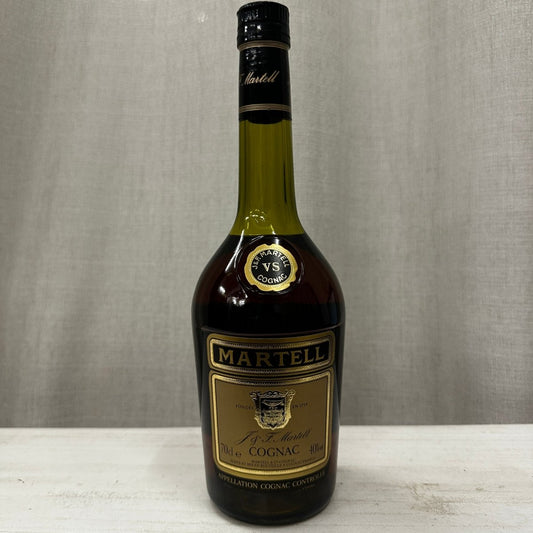
Martell V.S., 1980s version, 40%
Regular price HK$630Regular price -
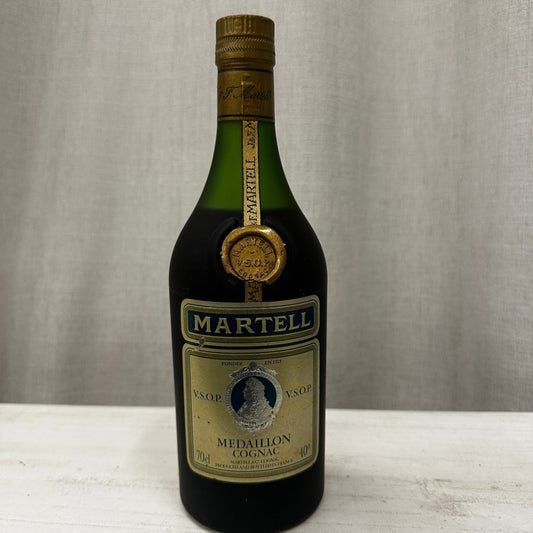
Martell Medaillon V.S.O.P. Cognac, 1975-1980s version, 40%
Regular price HK$980Regular price -
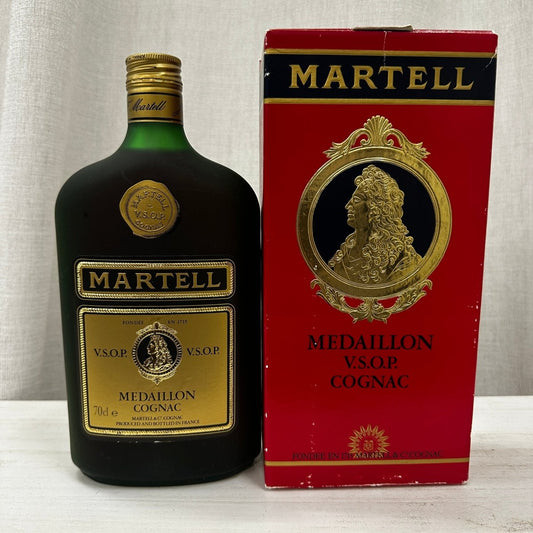
Martell Medaillon V.S.O.P. Cognac, 1975-1980s version, Screw Cap & Flat Bottle, 40%
Regular price HK$980Regular price -
Jean-Luc Pasquet 54YO - 2025, Tres Vielle, 46.6%, 500ml (Cash/Credit Card Price)
Regular price HK$1,610Regular price -
Jean-Luc Pasquet - L.98 1998/2025, Le Cognac de Charles, 52.7%, 500ml (WF91)
Regular price HK$980Regular price -
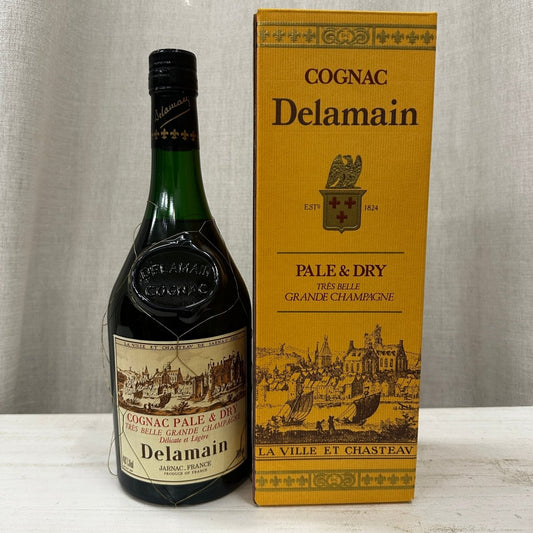
Delamain - Pale & Dry Tres Belle (XO) Grande Champagne, 40%
Regular price HK$1,380Regular price -
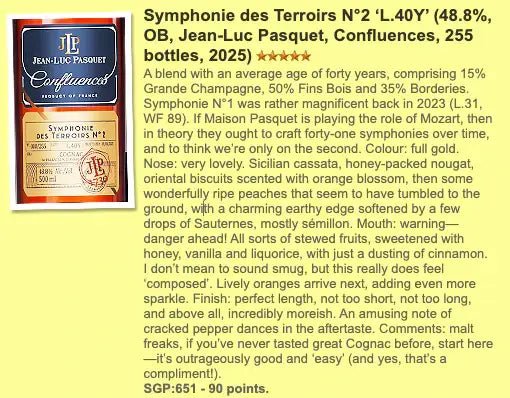
Jean-Luc Pasquet - 40YO, Symphonie des Terrioirs No.2, Lot40Y, 2025, 48.8% (WF90)
Regular price HK$1,380Regular price -
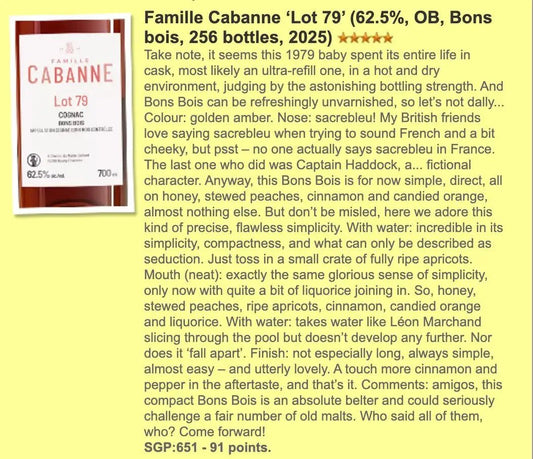
Famille Cabanne Lot79 1979, Bon Bois, 62.5% (WF91)
Regular price HK$1,480Regular price