Origin & History: A Journey from Pharmacy to Bar
The predecessor of Gin can be traced back to medieval monasteries where monks infused juniper berries in alcohol for medicinal purposes. However, the direct ancestor of modern Gin is the Dutch Genever. During the Thirty Years' War in the 17th century, British soldiers noticed Dutch allies drinking a spirit that gave them bravery before battle, famously known as 'Dutch Courage'.
When William of Orange ascended the British throne, he relaxed restrictions on spirit production while heavily taxing French brandy. This led to the famous Gin Craze in early 18th-century London. At that time, Gin was often of poor quality until the invention of the Column Still in the 19th century, which allowed for the production of high-quality, pure neutral spirits, giving birth to the crisp, dry London Dry Gin style we know today.
Botanicals: The Flavorful Soul of Gin
The definition of Gin is simple: it must be based on neutral alcohol distilled from agricultural products (usually grain), and its primary flavor must come from Juniper Berries (Juniperus communis). Beyond this, distillers are free to add any plants, spices, or fruits, known as Botanicals. Common 'Core Quartet' ingredients include:
-
Juniper: Provides pine, resinous, and woody notes, forming the legal flavor core of Gin.
-
Coriander Seeds: Offer citrus, lemon, and slightly spicy undertones, the second most important ingredient.
-
Angelica Root: Acts as a 'fixative' with earthy and musky notes that bind other aromas together.
-
Citrus Peel: Such as lemon or bitter orange peel, providing freshness and brightness.
Modern Craft Gin boldly uses local ingredients, such as Japanese cherry blossoms and yuzu (Roku), German Black Forest lingonberries (Monkey 47), or Australian lemon myrtle, showcasing strong regional characteristics. Want to learn more about spirits? Read: The World of Alcohol: A Journey through History, Culture, and Flavor.
Distillation Methods: How Flavors are Extracted
How are botanical aromas transferred to alcohol? There are three main techniques:
1. Steeping / Maceration
The most traditional method. Botanicals are soaked directly in neutral alcohol within a copper Pot Still (usually for 24-48 hours) before distillation. This produces a robust, oily, and intensely flavored Gin, such as Beefeater.
2. Vapor Infusion
Popularized by Bombay Sapphire. Botanicals do not touch the liquid alcohol; they are placed in a 'Carter Head' basket in the still's neck. As alcohol vapor passes through, it gently carries away the aromas, creating extremely light, floral, and elegant Gin.
3. Vacuum Distillation
A favorite of modern experimental distilleries. By reducing pressure, the boiling point of alcohol is lowered, allowing distillation at low temperatures. This preserves fresh aromas (like cucumber or fresh flowers) that would be destroyed by heat.
Styles of Gin: A Guide to Six Major Styles
-
London Dry Gin: The most famous style with the strictest regulations. All flavors must come from distillation; only water can be added afterward for dilution. No artificial flavors or significant sugar (<0.1g/L) are allowed. It is characterized by strong juniper dominance and a crisp, dry mouthfeel.
-
Plymouth Gin: A historically significant region. While its Protected Geographical Indication (PGI) status has ended, it remains a unique category. It is earthier and softer than London Dry with citrus sweetness.
-
Old Tom Gin: Popular in the 18th century, it is the ancestor of modern Gin. Usually sweetened, it bridges the gap between malty Genever and crisp London Dry. It is the designated base for the classic Tom Collins.
-
New Western / Contemporary Gin: A modern revolution where juniper is present but not the primary lead. Instead, floral, fruity, or spicy notes (like rose, cucumber, or yuzu) take center stage. Representative brands include Hendrick's and Roku.
-
Sloe Gin: Technically a liqueur made by infusing sloe berries in Gin with sugar. It is red, sweet, and tart.
-
Navy Strength Gin: Traditionally bottled at 57% ABV or higher. Historically, this ensured that if the spirit leaked onto gunpowder, it would still ignite. High alcohol content carries more essential oils and intense aromas, perfect for Tiki cocktails.
Selected Gin Brands at Alcohol Please
We have gathered top Gins from around the world for your enjoyment, whether neat or in cocktails:
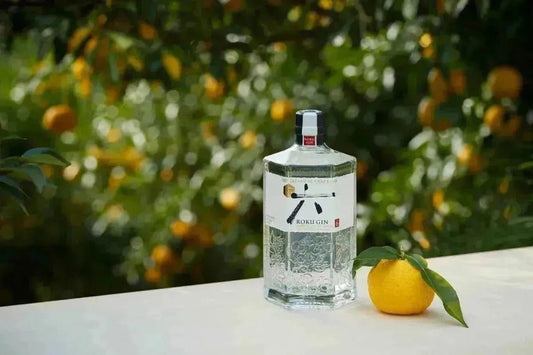
Roku Gin — The Essence of Japanese Seasons
From Suntory, Roku means 'six' in Japanese. It uses six botanicals representing the four seasons: Sakura flower/leaf (Spring), Sencha/Gyokuro tea (Summer), Sansho pepper (Autumn), and Yuzu peel (Winter). It offers a perfect balance of Japanese aesthetics and refreshing citrus notes, making it the top choice for a Gin Sonic.
→ Shop Roku Gin
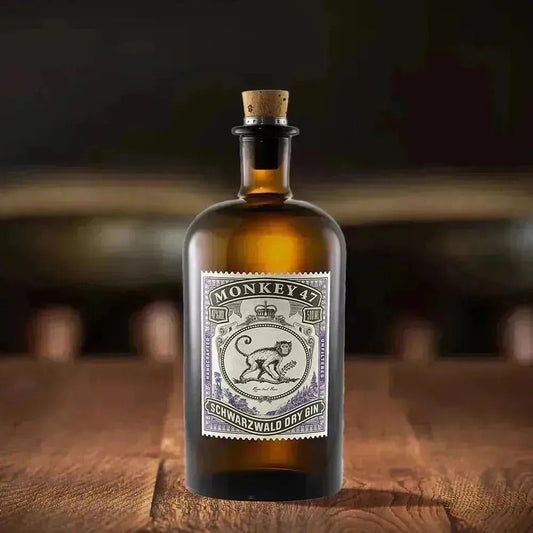
Monkey 47 — The King of Complexity from the Black Forest
A legend from Germany. Monkey 47 uses 47 botanicals, including local lingonberries. Bottled at 47% ABV, it features incredible layers of pine, citrus, floral, and herbal notes. It is widely regarded as one of the world's finest Dry Gins, best enjoyed neat.
→ Shop Monkey 47 Dry Gin
Alcohol Please invites you to explore the wonderful world of botanicals. From classic juniper hits to modern floral scents, we have options for every Tonic Water lover. For more spirits knowledge, visit Spirits FAQ. For more details, see Wikipedia: Gin.


 Sold out
 Sold out
 Sold out