Armagnac
Armagnac: The Soul of Gascony, the Art of Time
Armagnac is France's oldest Brandy, with historical records predating the well-known Cognac by approximately 150 years. Produced in the Gascony region of southwest France, it is the home of the musketeer D'Artagnan and a paradise for spirit making. Unlike the large-scale commercialization and blending aesthetics of Cognac, Armagnac is more like an artisan with a distinct personality, insisting on unique Single Distillation and a bottling philosophy that emphasizes Vintage, resulting in a profile that is rich in texture, layered, and full of vitality.
▼ Click to read more: 700 years of history, the secrets of single distillation, three major regions, and essential brands
History: 'Eau de Vie' dating back to 1310
The history of Armagnac can be traced back to the 15th century, when Prior Vital du Four documented its 40 medicinal benefits. This spirit brings together the essence of three cultures: Roman viticulture, Celtic cooperage, and Arabic distillation technology. Want to delve deeper into the world of brandy? Refer to our guide: The Past and Present of Brandy: Decoding History and Culture.
Terroir & Grapes: Three Regions and Grape Varieties
The Armagnac appellation is divided into three parts, each with soil (Terroir) that imparts a different personality to the spirit:
1. Bas-Armagnac — The Jewel in the Crown
This is the most prestigious region, with soil rich in sand and silt (Boulbènes). The 'eau de vie' produced here is known for its delicacy, elegance, and rich fruity aromas (such as dried prunes and orange peel), making it ideal for long-term aging. Our recommended brands like Darroze and Domaine de Baraillon mostly source their spirits from this area.
2. Ténarèze
The soil is primarily limestone and clay. The spirits here are structured, powerful, and robust. They are spicier when young and require longer aging to reveal their potential for violet and spice notes.
3. Haut-Armagnac
The smallest producer, featuring mainly limestone soil, with a more straightforward style.
Regarding grape varieties, besides the common Ugni Blanc, Armagnac also uses the unique Baco 22A (a phylloxera-resistant hybrid that provides roundness and aging potential) and Folle Blanche (which brings delicate floral notes).
Distillation: The Magic of the Alambic Armagnacais
This is the biggest divide between Armagnac and Cognac. 95% of Armagnac is produced using a small, short-column continuous still — the Alambic Armagnacais — for 'Single Distillation'.
- Low-Proof Distillation: The new-make spirit is usually distilled to a lower alcohol concentration (about 52% - 60% ABV, compared to Cognac's 70%+).
- Retaining Flavor: A lower alcohol concentration means more 'congeners', aromatic substances, and oils are retained. This makes Armagnac taste thicker and richer than Cognac, with distinct plum, toasted bread, and rustic notes.
Notable Armagnac Houses
In the world of Armagnac, family-run independent estates and Négociants are the true treasures compared to large commercial brands:
Darroze — The Treasure Hunter
Founded by Francis Darroze, they are known as the treasure hunters of the Armagnac world. Darroze insists on 'no water, no color, no chill-filtration', bottling at Cask Strength. They visit micro-farms across Bas-Armagnac to acquire the finest single cask spirits. Each label clearly states the farm name and vintage, representing ultimate terroir transparency.
Domaine de Baraillon — Guardians of Tradition
Located in the heart of Bas-Armagnac, Domaine de Baraillon is a multi-generational family estate (Claverie family). They adhere to traditional crafts and hold a high proportion of old vintage stocks. Their style is deep, concentrated, and famous for intense stewed fruit, dark chocolate, and aged leather aromas.
Aurian — Where History Meets Innovation
Established in 1880, Aurian produces high-quality Armagnac and is also a renowned liqueur producer. Their barrel selection is unique, often finding vintage spirits that showcase incredible floral notes and delicacy, with bottle designs full of classical beauty.
For more on brandy grades (VSOP, XO, Hors d'Âge), you can refer to our article: XO vs VSOP Explained: Understanding Cognac and Brandy Grades.
Alcohol Please brings you a selection of liquid history from Gascony. Whether seeking a birth-year commemorative bottle or the cask-strength impact of Darroze, Armagnac offers a unique experience beyond Cognac.

-
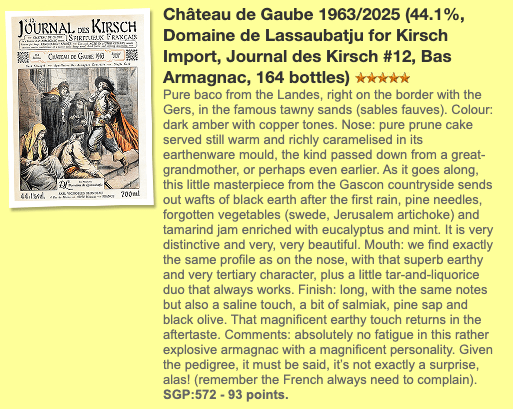
Chateau de Gaube 1963/2025, Journal des Kirsch #12, 44.1% (WF93) (Cash/Credit Card Price)
Regular price HK$2,750Regular price -
Darroze Chateau de Gaube 64YO, 1962/2026, 42.5% (Cash/Credit Card Price)
Regular price HK$3,810Regular price -
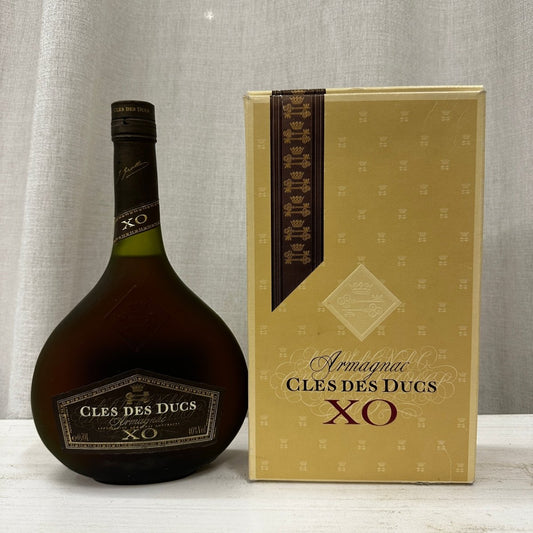
Clés des Ducs - XO, 40%
Regular price HK$780Regular price -
Domaine de Peyrot - 1939, J.Couerbe, #76, Bas Armagnac, 47% (Cash/Credit Card Price)
Regular price HK$5,050Regular price -
Domaine Lassalle XXO - Selected by The Caskhound, 45%
Regular price HK$1,480Regular price -
Darroze Domaine de Jean Pierre 46YO, 1980/2026, 42% (Cash/Credit Card Price)
Regular price HK$1,640Regular price -
Darroze Chateau de la Pouche 42YO, 1984/2026, 49.5% (Cash/Credit Card Price)
Regular price HK$1,640Regular price -

C. Dully Bas-Armagnac Colombard 34YO, 1991/2025, #BARMA91F5066, 58.9% (Cash/Credit Card Price)
Regular price HK$1,740Regular price -
Domaine de Baraillon Bas Armagnac 1973/2023, 47.0% (Cash/Credit Card Price)
Regular price HK$1,610Regular price -
Darroze Domaine de Bellair 52YO, 1973/2025, 45% (Cash/Credit Card Price)
Regular price HK$2,160Regular price -
Darroze - 50YO, 1974/2024, Domaine de Tucom, 46.0% (Cash/Credit Card Price)
Regular price HK$2,180Regular price -
The Caskhound Domaine de Jean-Bon - 1977, Sourdois, 47.6%, 350ml
Regular price HK$1,350Regular price -
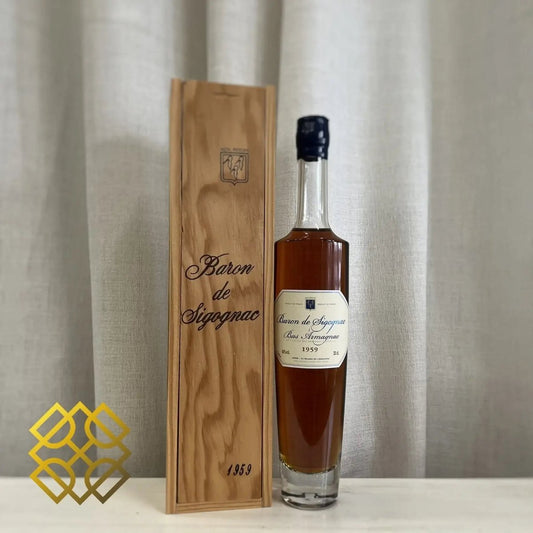
Baron de Sigognac - 1959, Hors D'âge Armagnac, 40%, 350ml (Cash/Credit Card Price)
Regular price HK$1,950Regular price -
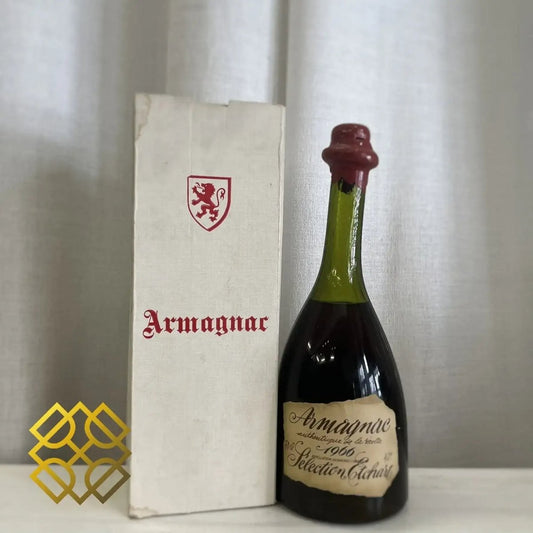
Selection Etchart Armagnac - 1966, 40% (Cash/Credit Card Price)
Regular price HK$2,470Regular price -
Darroze Domaine de Bellair - 50YO, 1975/2025, 45.5% (Cash/Credit Card Price)
Regular price From HK$850Regular price -
Darroze - 1999/2025, Domaine de Busquet, Journal des Kirsch #10, 49.5%
Regular price HK$990Regular price -
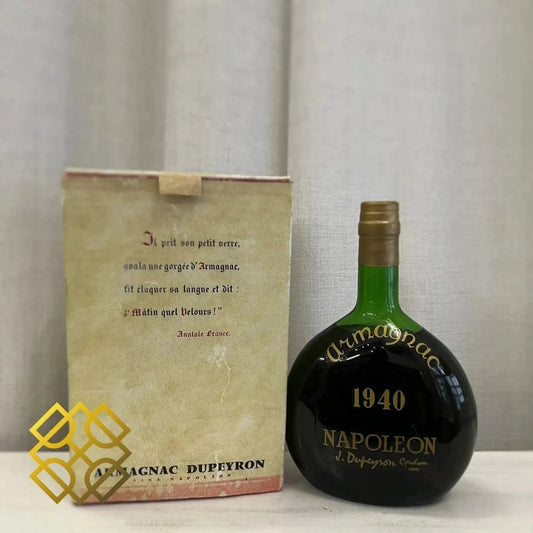
J. Dupeyron Napoleon - 1940, 40%, Armagnac (Cash/Credit Card Price)
Regular price HK$3,190Regular price -
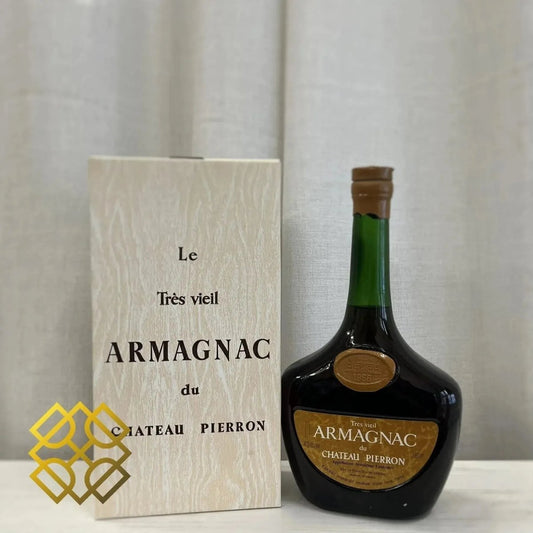
Chateau Pierron 1966, Tres vieil Armagnac, 1500ml, 41% (Cash/Credit Card Price)
Regular price HK$3,190Regular price -

L'Encantada L'Esprit Armagnac - 2020, Tattoo Series #1 Batch 2, 47.6% (Cash/Credit Card Price)
Regular price HK$1,740Regular price -
Cadenhead's Ténarèze - 29YO, 1990/2019, Single Cask, 47.8%
Regular price HK$1,350Regular price -
Laberdolive - Hors d'Age, Les Sables Fauves, 42% (Cash/Credit Card Price)
Regular price HK$1,640Regular price -
 Sold out
Laubade - 29YO, 1982/2011, 40%
Regular price HK$1,280Regular price -
Darroze - 58YO, 1967/2025, Domaine de Tucom, 42% (Cash/Credit Card Price)
Regular price HK$2,880Regular price -
Darroze - 43YO, 1982/2025, Domaine de Bellair, 48.5%
Regular price HK$1,300Regular price -
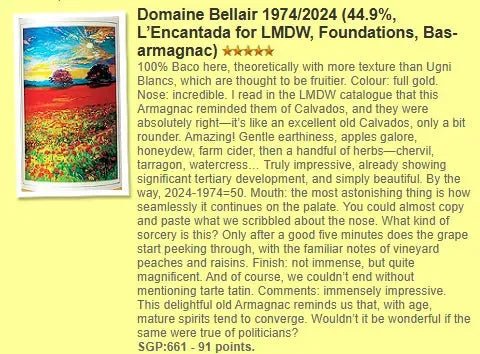
L'Encantada Domaine Bellair - ~50YO, 1974/2024, Foundations Armagnac, 44.9%, 500ml (WF91) (Cash/Credit Card Price)
Regular price HK$1,800Regular price -
Laubade - 59YO, 1962/2021, 40%, 500ml (Cash/Credit Card Price)
Regular price HK$2,470Regular price -
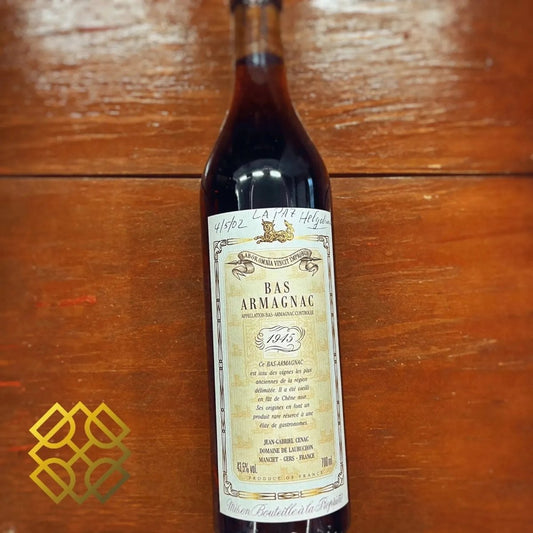
Gelas et Fils Domaine de Laubuchon - 51YO, 1945/1996, 43.5% (Cash/Credit Card Price)
Regular price HK$3,500Regular price -
Chateau de Pomès-Pébérère - 54YO, 1964/2018, 42% (Cash/Credit Card Price)
Regular price HK$2,480Regular price -
Chateau de Pomès-Pébérère - 51YO, 1966/2017, 42% (Cash/Credit Card Price)
Regular price HK$2,380Regular price -
Domaine De Baraillon Bas-Armagnac - 50YO, 1973/2023, 47% (Cash/Credit Card Price)
Regular price HK$1,740Regular price -
Darroze - 52YO, 1972/2024, Chateau de Gaube, 43%, 200ml
Regular price HK$850Regular price -
Darroze - 45YO, 1979/2024, Domaine le Tuc, 49%
Regular price HK$1,610Regular price